
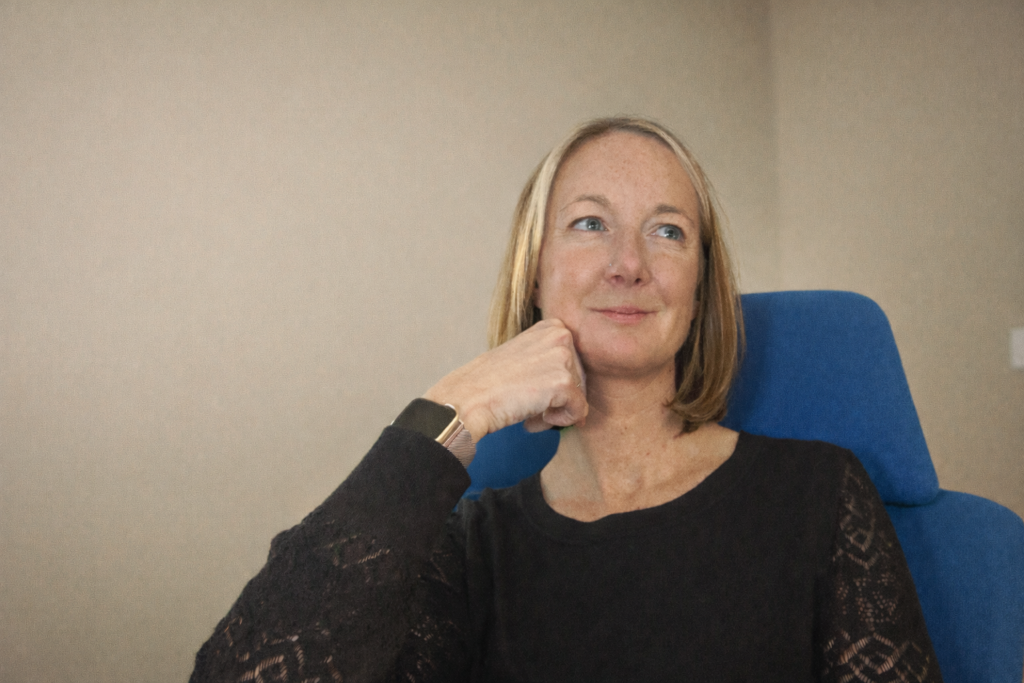
Twenty-six years ago, I had a brush with death. I was young and busy, focused on getting through the day like most people are. That moment did not make me fearless or profound. It made me aware. I learned how quickly life can narrow to what actually matters and how easy it is to forget that once things return to normal.
What has stayed with me is not the drama of it. It is the reminder that every person I work with is carrying something. Sometimes it is heavy and visible. Sometimes it is quiet and unseen. But it is always there.
The longer I work, the more I understand that this is not separate from business. It is part of it.
Where the human element shows up
Empathy sounds good in theory. In practice, it shows up in much smaller ways than people expect.
It shows up when you slow down enough to notice that someone sounds different than usual, when you ask how someone is doing and actually leave space for the answer, and when you remember that a client’s stress may not be about the work at all and that a teammate’s distraction may have nothing to do with motivation.
None of this requires oversharing or blurring professional boundaries. It requires attention. It requires choosing to see people as people instead of as roles or outputs.
Most of what we treat as emergencies is really just noise layered on top of something deeper. Deadlines, mistakes, missed messages, and minor conflicts all feel urgent when you are inside them. Perspective changes how you respond.
The tension between professionalism and honesty
There is a belief in business that being human means being unfiltered, emotional, or overly personal. That has never been what this value meant to me.
Staying human means staying honest about the fact that people do not turn off their lives when they log into work. It means understanding that professionalism is not the absence of feeling. It is the ability to carry feeling without letting it destabilize the work.
I once had someone tell me she would never share the way I do, either on social media or on my blog. I understood what she meant. Vulnerability is not comfortable for everyone, and it is not required for credibility. But my blog has always been my voice. It is how I make sense of what I have lived through, and it is how I connect my personal experience to the work I do every day.
Over the years, I have heard from readers who felt seen by something I wrote, not because I offered solutions, but because I acknowledged something difficult without dressing it up. Being human does not weaken the work. It strengthens the relationships around it.
Why this became a core principal
In social media especially, it is easy to forget what makes something resonate. Platforms reward speed and volume, along with cleverness and confidence, but what people actually respond to is recognition. They respond to feeling understood, not impressed.
That is why incorporating the human element became part of the fabric of how I operate my company. We manage brands and communicate on behalf of businesses, but we are ultimately representing voices that belong to real people with real audiences and real pressures.
If we forget that, the work becomes mechanical. When we remember it, the work stays relational.
For me, that has meant checking in when something feels off instead of moving past it. It has meant allowing room for difficult seasons instead of pretending they do not exist, and being intentional about how we treat both clients and team members, especially when things are not easy.
Empathy and compassion matter not only in the dramatic moments, but in the ordinary ones. Those are the moments that accumulate.
What staying human looks like now
Time has changed how I understand this value. When I was younger, I thought staying human meant being kind and well intentioned. Now I understand that it also means being aware of how people experience the systems and structures around them.
It means recognizing that someone can be doing their job well and still be struggling. It means remembering that tone travels differently in writing than it does in conversation. It means knowing that clarity can be an act of care and that silence can sometimes feel like distance even when it is not meant to.
Most of all, it means resisting the urge to flatten people into tasks.
There are smaller reminders all the time. A hard week. A personal loss. A quiet fear. A moment of doubt. None of these show up neatly labeled. They show up in the way someone answers an email, misses a detail, or hesitates before speaking.
The human element lives there.
What people remember
As the years go on, I am less interested in being impressive and more committed to being present. The right words matter, but only when they are the ones I truly mean. Strength no longer feels like something to project. It shows up in steadiness. In consistency. In how you respond when things are not easy.
Staying human in business requires awareness. Every decision, every email, every deadline lands on someone.
When things are hard, people rarely remember how polished something sounded. They remember whether they felt seen, respected, and valued.
That is what endures.

